
Thursday, March 20, 2014

Tuesday, March 18, 2014

Sunday, October 6, 2013
10 Ways to Make Kids Eat Healthy Food.

Well, I am a father of three kids, the eldest being 8 and the youngest
3 years old. You can literally take them to Pizza Hut, McDonald’s or KFC every
day of the week, but making them eat salads, fibrous and fresh fruits or
anything else that you consider healthy is one hell of a job. But being a
parent it’s our foremost duty to make sure that eat a balanced and healthy
food, because a sick kid is every parent’s nightmare.
There are certain ways we can ensure that our kids are having a
healthy and balanced diet.
- Why do you thing, kids want to play with the TV remote or your mobile….they don’t. They are just copying you. In the same way, if they see you eating healthy food, they are bound to follow sooner or later.
- Take them to the grocery shop and let them observe raw food. Let them explore and ask question. Explain to them the benefits of a healthy diet and encourage them when they act accordingly.
- A little relaxation sometimes is acceptable. Do treat them to a junk food once or twice a week.
- Make sure that all the family sits together at the dinner table for a family meal. Don’t cook anything special for kids, just serve what everybody is.
- Be patient and consistent. A kid will eventually try something new after the tenth time. All you have to do is be more tolerable to their attitude and wait for your efforts to bloom.
- Don’t try to bribe them in eating healthy food. They will eventually grow more repulsive towards it.
- Don’t be impressed by advertisement. Trust me; our kids don’t need processed food, frozen nuggets and frozen French fries. In case you want to treat them with some, bring potatoes home, peel them and fry them some. Similarly buy raw chicken and make some good dish out of it.
- Let thee kids help you in the kitchen. Allow them to assist you in peeling the potatoes, or washing the vegetables for salad. It can act as a binding relationship between them and the healthy food.
- Love and respect your child. They are many healthy diets, it’s not necessary that your kids likes all of them. Give some respect to his taste.
- Last but not least, make sure they have a healthy breakfast or they’ll be too drained of energy to concentrate in school. An ideal breakfast must have around 500 calories to ensure a healthy routine……and above all, don’t forget to give them some multivitamins to keep them healthy and happy.
Tuesday, February 19, 2013
Time to Start ........Exercise!!!
Do you know that laughter relaxes your whole body, boosts immune system, triggers the release of endorphins (feel good chemicals) and protects heart by increasing blood flow!!!
Have a nice day!

Have a nice day!
Saturday, February 16, 2013
Must Read Tips for Effective Weight Loss

Searching for weight loss tips on the internet will provide you with thousands of different techniques, ranging from simple changes in your daily routine to complicated surgeries. There's no doubt about the fact that feeling healthy is the best thing in the world, but retaining that health is the most vital achievement that needs steadfast determination.
Here are some simple, easy to follow and realistic tips that might prove beneficial in effective and sustainable weight loss.
- Our body is 85% water. Maintain that level by having at least 8 glasses of water a day. Muscles flex better and remain active when they are well hydrated.
- Try reducing your sugar intake in tea or coffee etc.
- Eat small meals. Chew properly before you swallow. When food touches the inner walls of our stomach the stomach sends that signal to the brain that it is full, but before the signal reached fully, we've already ingested more than what is required. Ever wondered, why after having a single bite, you get a phone call, and you finds out after the call that you are full. That's because the signal has done its work.
- Add fresh vegetables or fruit salads in your meal as sidelines.
- Avoid fast, packaged and processed food.
- Prefer eating fruits instead of juice. You'll consume less and get additional fiber.
- Eat whole foods. They keep you satisfied for a longer duration. Whole foods are those that is free from additives, and have been least processed or refined.
- Add a five minute walk in your daily routine.
Try following these tips. They are definitely not hard to practice, but once the results start pouring in, you'll be encourage enough to take your efforts to the next level.
Friday, February 15, 2013
Healthy Life Style Chart
Well, you might find a lot of literature on how to develop a healthy life style, but sometimes pictures speak louder than words.
So here goes !!!!

So here goes !!!!
Sunday, January 15, 2012
How to Stay Healthy During Winters
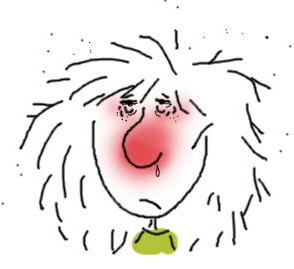
Staying healthy during winters in a busy world is not the
easiest thing to do, yet taking care of yourself is extremely important.
Becoming ill can be a big hindrance in giving full attention to your
responsibilities. Especially winters are the time that never goes unnoticed
health wise.On average people catch cold one to four times a
year, and almost one quarter of them catch flu. Although we are surrounded by
viruses and bacteria all year long, yet this is the time when our immune system
is most compromised. Therefore, this is the time to take most precautions. Enlisted are a few tips guaranteed to reduce
your risk of exposure to a higher level of infective agents.
1. Get enough sleep. Sleep disorders or lack of sleep can dramatically weakens your immune system.
2. Good diet is the best immunization. Preservatives, artificial flavours and packages foods fail to give body the required nutrients to fight cold weather. Salads, fruits, vegetables and freshly prepared organic foods are most suitable to feel vibrant and frisky. Try adding citrus fruits like oranges and lemons to your dietary intake. Citrus fruits are rich in vitamin C, a key element in boosting your immune system.
3. Multivitamins can play a vital role in keeping you healthy. Have a pill daily to feel fresh and energetic. A body with balanced vitamins and minerals also recuperated quickly.
4. Don't forget to wash your hands with soap before meals and after using the bathroom. Make it a habit for everybody at home.
5. Exercise. I know how hard it is to get off your couch near the fireplace and convince yourself to jog, but exercise moderately at least thrice or four times a week. It helps generate endorphins. Endorphins strengthen the immune system by increasing production of white blood cells.
6. Avoid coughers and sneezers. Germs are mostly transmitted when the infected person touches his or her eyes, mouth or nose, and then shakes hand with you. Eventually you'll touch your own nose, or mouth and the infection will be transmitted.
7. Humidify your house. Dry air can be very irritating for the respiratory passage. To do so a humidifier can be used.8. Last but not least, get a flu shot if necessary after consulting your doctor.On top of everything keep yourself warm. Wear warm clothing and cover your head and ears when going out. Good luck and a happy winter.
1. Get enough sleep. Sleep disorders or lack of sleep can dramatically weakens your immune system.
2. Good diet is the best immunization. Preservatives, artificial flavours and packages foods fail to give body the required nutrients to fight cold weather. Salads, fruits, vegetables and freshly prepared organic foods are most suitable to feel vibrant and frisky. Try adding citrus fruits like oranges and lemons to your dietary intake. Citrus fruits are rich in vitamin C, a key element in boosting your immune system.
3. Multivitamins can play a vital role in keeping you healthy. Have a pill daily to feel fresh and energetic. A body with balanced vitamins and minerals also recuperated quickly.
4. Don't forget to wash your hands with soap before meals and after using the bathroom. Make it a habit for everybody at home.
5. Exercise. I know how hard it is to get off your couch near the fireplace and convince yourself to jog, but exercise moderately at least thrice or four times a week. It helps generate endorphins. Endorphins strengthen the immune system by increasing production of white blood cells.
6. Avoid coughers and sneezers. Germs are mostly transmitted when the infected person touches his or her eyes, mouth or nose, and then shakes hand with you. Eventually you'll touch your own nose, or mouth and the infection will be transmitted.
7. Humidify your house. Dry air can be very irritating for the respiratory passage. To do so a humidifier can be used.8. Last but not least, get a flu shot if necessary after consulting your doctor.On top of everything keep yourself warm. Wear warm clothing and cover your head and ears when going out. Good luck and a happy winter.
Subscribe to:
Posts (Atom)